
 Ktorý zombie ste?
 Súboj zombie
 Ujsť im
 Zbierka kariet
 Jazyk: Slovenčina
 Nakŕmte hordu (pokladnička na sprepitné)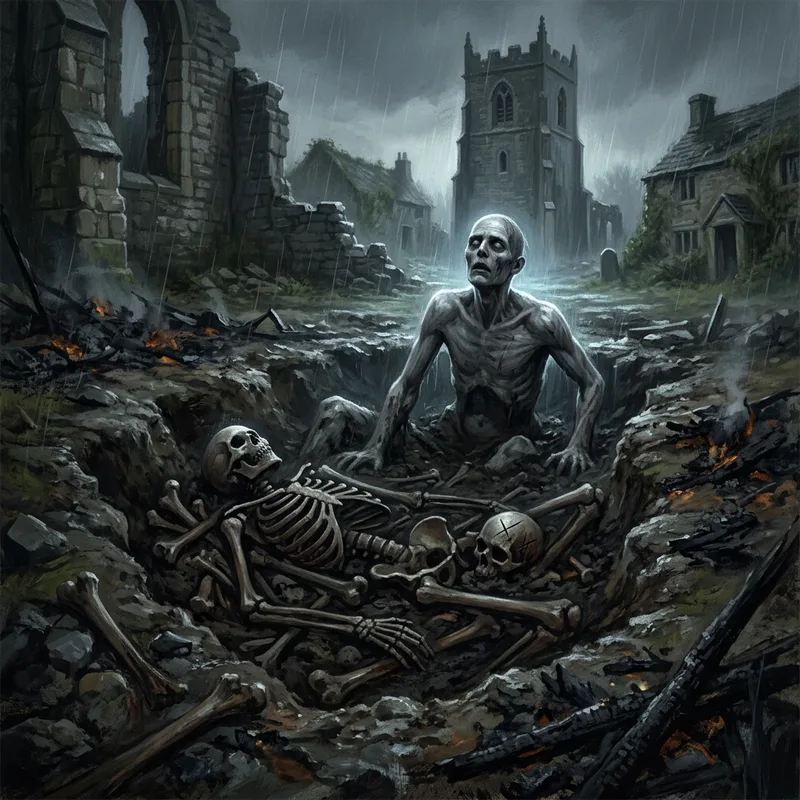
Spis č. 013 z 446
Wharram Percy mutilated dead
Nazývaný aj: Wharram Percy revenants
At the deserted medieval village of Wharram Percy in Yorkshire, archaeologists identified human remains that had been beheaded, cut up and burned after death. The 2017 study by Historic England and the University of Southampton concluded that the likeliest explanation was fear of revenants. If so, it is physical evidence from England for the practices that chroniclers such as William of Newburgh describe. It shows ordinary villagers acting on the belief that corpses could rise.12
Prvý záznam
1100
Bones dated to the 11th-14th centuries; analysed in a study published in 2017Pôvod
Medieval English
Spojené kráľovstvoČo ho spôsobuje
Nikdy nevysvetlené
Why these individuals were singled out is not known.Slabé miesta
- decapitation
- dismemberment
- burning
- breaking the long bones after death
Kedy sa prvýkrát objavil?
Staroveký svetStredovekOd 1500 do 1899Od 1900 do 1967Od 1968 do 1999Od 2000 do 2009Od 2010 do dnes 1100
1100
1100Bones dated to the 11th-14th centuries; analysed in a study published in 2017
terénne poznámky
Čo hovoria zdroje
Zdroje
- Medieval villagers warded off 'zombies' by burning and mutilating human remains, study finds - ScienceAlert
- Revenant - Wikipedia
Každý fakt na tejto stránke pochádza z týchto zdrojov, napísaný našimi slovami. Všimli ste si chybu? Napíšte nám na [email protected].
 Abhartach
 Revenant (medieval England)
 Berwick revenant
 Buckinghamshire revenant
 Byland Abbey revenants
 Drakelow revenants
 Draugr
 Vetala
 Glámr
Glámr Upiór
Upiór Asvith
 Haugbúi