
 Kurš zombijs esi tu?
 Zombiju cīņa
 Aizbēdz no tiem
 Kartīšu kolekcija
 Valoda: Latviešu
 Pabaro baru (dzeramnaudas burka)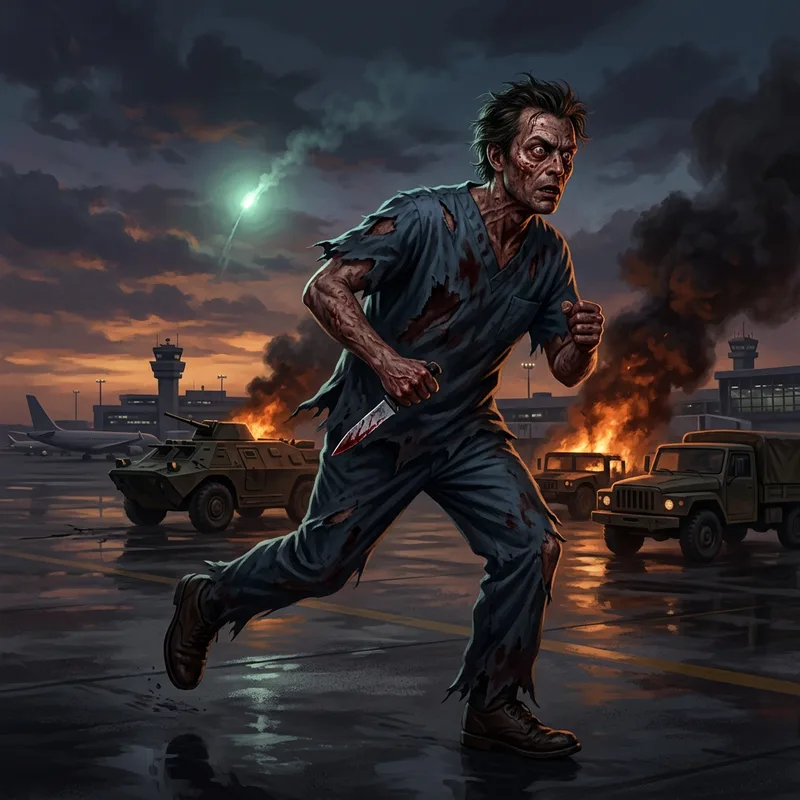
The contaminated of Nightmare City
Lenzi's irradiated attackers overrun a European city at a run. They are living, contaminated people rather than corpses, and the director rejected the word zombie for them. Reviews were poor, but the film is often cited as a precursor of the fast-zombie trend.1
- destroying the brain
- starved of blood they die
Kad tas pirmoreiz parādījās?
 1980
1980Released 1980
Ko saka avoti
Lenzi preferred to call them infected or contaminated rather than zombies1
They cannot regenerate red blood cells and need blood to survive1
Often cited as a forerunner of the fast zombie1
A major influence on Planet Terror (2007); Quentin Tarantino has praised it1
Released in the US in 1983 as City of the Walking Dead, cut by four minutes1
Vai tu spētu tam aizbēgt?
Ātruma klase pēc avotu aprakstiem (skrien), nevis mērījums.


Avoti
Katrs fakts šajā lappusē nāk no šiem avotiem, pārstāstīts mūsu vārdiem. Pamanīji kļūdu? Raksti mums uz [email protected].
 Ghouls of Night of the Living Dead
 Thriller zombies
 Zombies of Dawn of the Dead (1978)
 Bub
Bub Deadites
 Jiangshi of Mr. Vampire