
 Sombi wo ni ọ́?
 Ìjà sombi
 Sá fún wọn
 Àkójọ káàdì
 Èdè: Yorùbá
 Fún agbo náà ní oúnjẹ (ìgò ẹ̀bùn)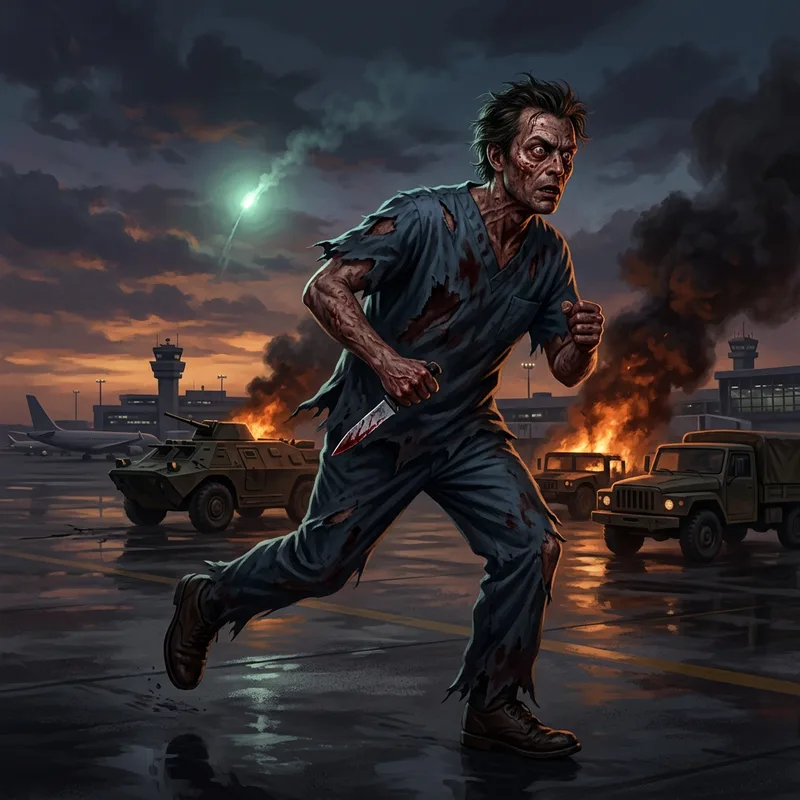
The contaminated of Nightmare City
Lenzi's irradiated attackers overrun a European city at a run. They are living, contaminated people rather than corpses, and the director rejected the word zombie for them. Reviews were poor, but the film is often cited as a precursor of the fast-zombie trend.1
- destroying the brain
- starved of blood they die
Ìgbà wo ló kọ́kọ́ farahàn?
 1980
1980Released 1980
Ohun tí àwọn orísun sọ
Lenzi preferred to call them infected or contaminated rather than zombies1
They cannot regenerate red blood cells and need blood to survive1
Often cited as a forerunner of the fast zombie1
A major influence on Planet Terror (2007); Quentin Tarantino has praised it1
Released in the US in 1983 as City of the Walking Dead, cut by four minutes1
Ṣé o lè sá fún un?
Ẹ̀ka ìyára láti bí àwọn orísun ṣe ṣàpèjúwe rẹ̀ (ó ń sáré), kì í ṣe ìwọ̀n.


Àwọn orísun
Gbogbo òtítọ́ lórí ojú ewé yìí wá láti àwọn orísun wọ̀nyí, a kọ ọ́ ní ọ̀rọ̀ tiwa. Ṣé o rí àṣìṣe? Sọ fún wa ní [email protected].
 Ghouls of Night of the Living Dead
 Thriller zombies
 Zombies of Dawn of the Dead (1978)
 Bub
Bub Deadites
 Jiangshi of Mr. Vampire