
 آپ کون سے زومبی ہیں؟
 زومبی لڑائی
 ان سے تیز بھاگیں
 کارڈ کا مجموعہ
 زبان: اردو
 ہجوم کو کھلائیں (ٹپ جار)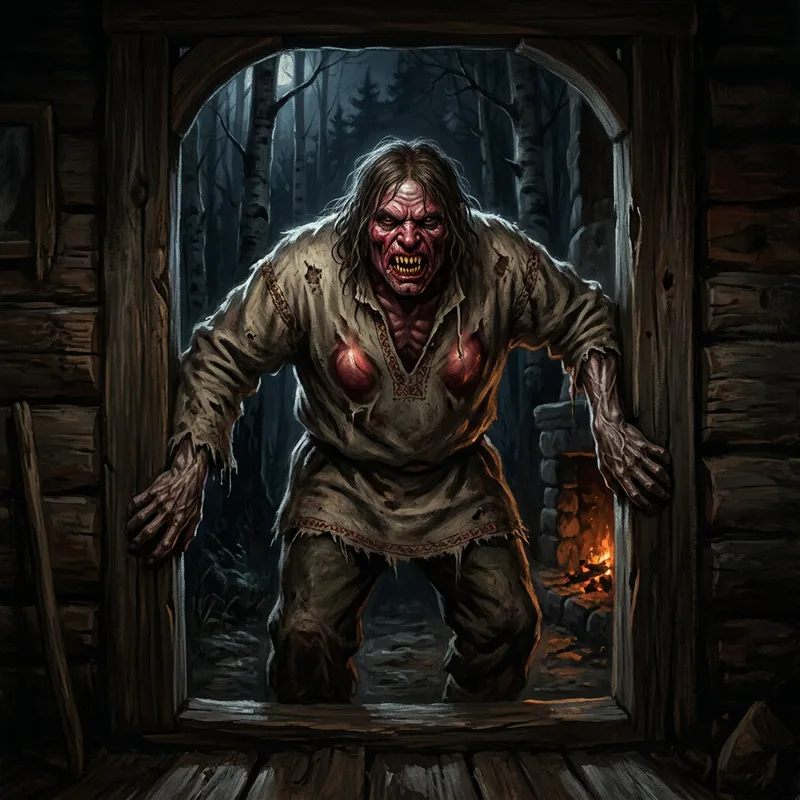
فائل نمبر 012 از 446
Upiór
دوسرے نام: upyr, upir, vupyr, wąpierz, upír
Upiór is the Polish form of the old East and West Slavic name for a corpse that leaves its grave, a close relative of the word 'vampire'. In village belief it is less an aristocratic bloodsucker than a decaying neighbour who suffocates sleepers, kills livestock and sometimes just comes home to work. Apotropaic burials across Poland and Ukraine, with severed heads, nailed bodies and objects in the mouth, reflect the measures taken against it. It is the eastern European walking dead in its original, pre-literary form.12
پہلی بار درج ہوا
1100
The 'Word of Saint Grigoriy', dated between the 11th and 13th centuries, mentions offerings to upyriماخذ
Slavic
پولینڈ, یوکرین, بیلاروس, روساس کی وجہ کیا ہے
ایک لعنت
Sudden or cursed deaths, suicide, improper burial, an animal jumping over the corpse, or being killed by another upiór could all produce one.آپ کیسے ایک بنتے ہیں
People marked as different in life, such as redheads, the left-handed, those born with teeth or of another faith, were suspected in advance; a second soul or heart was said to stay behind and move the body.
ذہانت
کچھ ذہانت
کمزور مقامات
- beheading, with the head placed between the legs
- nailing the corpse to the coffin or burying it face down
- burning
- poppy seeds or knotted nets in the grave to keep it occupied
- hawthorn, blackthorn or wild rose in the coffin
- cockcrow
یہ پہلی بار کب ظاہر ہوا؟
 1100
1100The 'Word of Saint Grigoriy', dated between the 11th and 13th centuries, mentions offerings to upyri
فیلڈ نوٹس
ماخذ کیا کہتے ہیں
ماخذ
اس صفحے کی ہر حقیقت ان ماخذوں سے ہے اور ہمارے اپنے الفاظ میں لکھی گئی ہے۔ کوئی غلطی نظر آئی؟ ہمیں [email protected] پر بتائیں۔
 Nachzehrer
 Strzyga
 Johannes Cuntius
 Pień padlocked burial
 Shoemaker of Breslau
 Zalozhnye pokoiniki
 Draugr
 Vetala
 Glámr
Glámr Revenant (medieval England)
 Asvith
 Berwick revenant