
 Zein zonbi zara zu?
 Zonbi-borroka
 Ihes egin korrika
 Karta-bilduma
 Hizkuntza: Euskara
 Elikatu saldoa (eskupekoa)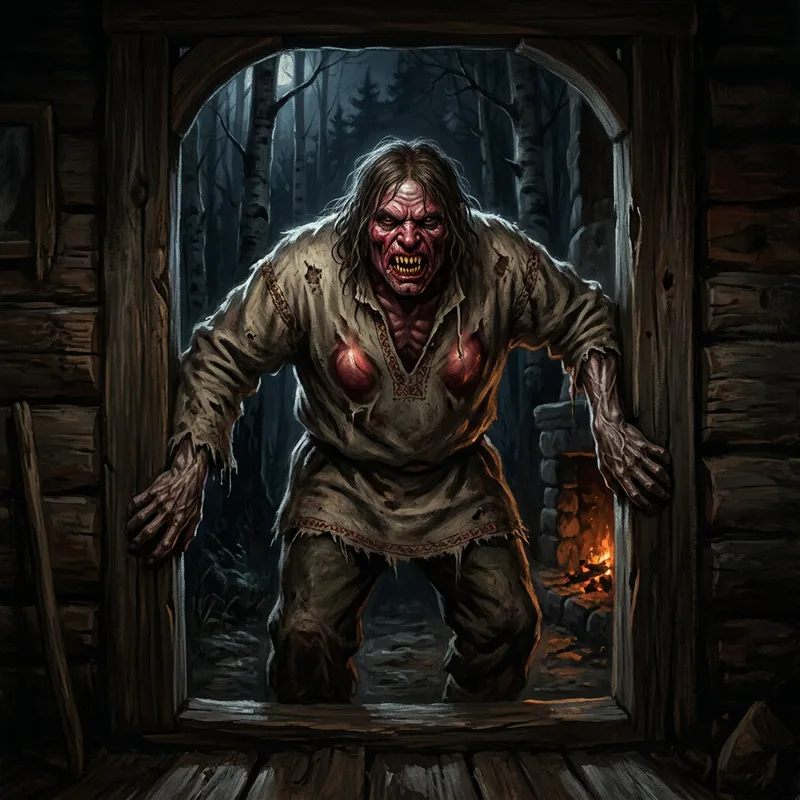
Upiór
Upiór is the Polish form of the old East and West Slavic name for a corpse that leaves its grave, a close relative of the word 'vampire'. In village belief it is less an aristocratic bloodsucker than a decaying neighbour who suffocates sleepers, kills livestock and sometimes just comes home to work. Apotropaic burials across Poland and Ukraine, with severed heads, nailed bodies and objects in the mouth, reflect the measures taken against it. It is the eastern European walking dead in its original, pre-literary form.12
- beheading, with the head placed between the legs
- nailing the corpse to the coffin or burying it face down
- burning
- poppy seeds or knotted nets in the grave to keep it occupied
- hawthorn, blackthorn or wild rose in the coffin
- cockcrow
Noiz agertu zen lehen aldiz?
 1100
1100The 'Word of Saint Grigoriy', dated between the 11th and 13th centuries, mentions offerings to upyri
Iturriek diotena
Iturriak
Orri honetako datu guztiak iturri hauetatik datoz, gure hitzez idatzita. Akatsen bat ikusi duzu? Esaguzu helbide honetan: [email protected].
 Nachzehrer
 Strzyga
 Johannes Cuntius
 Pień padlocked burial
 Shoemaker of Breslau
 Zalozhnye pokoiniki
 Draugr
 Vetala
 Glámr
Glámr Revenant (medieval England)
 Asvith
 Berwick revenant