
 Którym zombie jesteś?
 Bitwa zombie
 Uciec przed nimi
 Kolekcja kart
 Język: Polski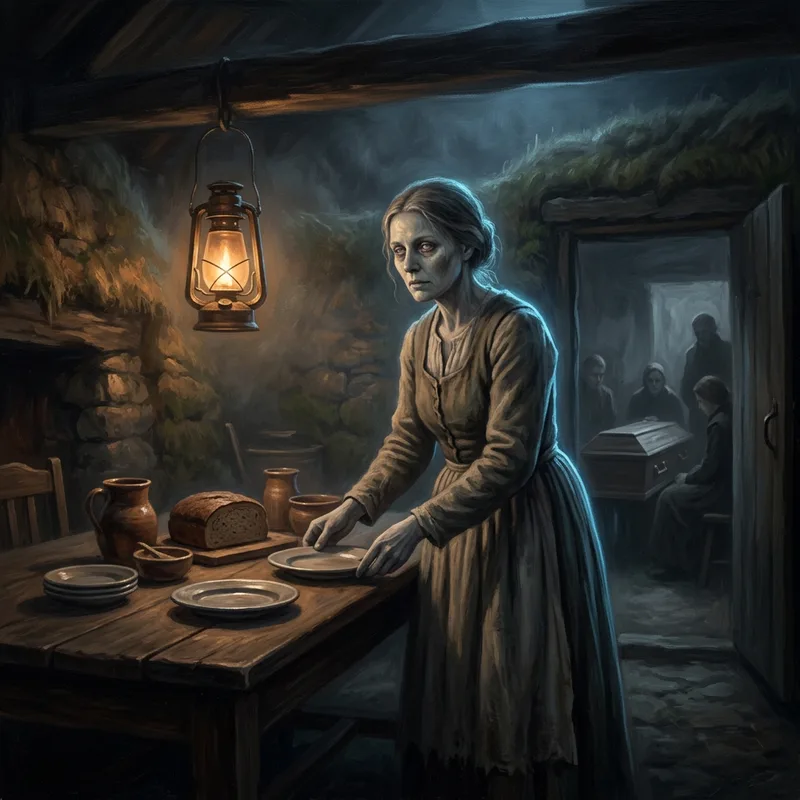
Akta nr 025 z 446
Þórgunna
Znany też jako: Thorgunna
Þórgunna is the unusual saga corpse that rises to help rather than to kill. During an overnight halt on the way to her burial, her body gets up, lays the table and cooks a meal for the bearers, then vanishes when the farmer speaks to her. The scene is eerie rather than violent, but it opens the chain of deaths at Fróðá. It shows the saga dead as people with unfinished business and the physical means to settle it.12
Pierwsza wzmianka
1260
Eyrbyggja saga, written in the mid- or late 13th centuryPochodzenie
Norse (Icelandic saga)
IslandiaCo je wywołuje
Inne
Her dying instructions are only partly carried out, and her corpse acts on its own behalf on the way to burial.Jak się nim zostaje
A wealthy seafaring woman who asks to be buried at Skálholt and to have her bedding burned; the bedding is kept.
Jak się porusza
Powłóczy nogami
The corpse gets up during an overnight halt, walks into the kitchen and prepares a meal.Inteligencja
Trochę inteligencji
Słabe punkty
- burial in the place she asked for
- holy water sprinkled on the food she prepared
Kiedy pojawił się po raz pierwszy?
Świat starożytny
Średniowiecze
Od 1500 do 1899
Od 1900 do 1967
Od 1968 do 1999
Od 2000 do 2009
Od 2010 do dziś
 1260
1260Eyrbyggja saga, written in the mid- or late 13th century
notatki terenowe
Co mówią źródła
Czy dałbyś radę uciec?
Klasa prędkości na podstawie opisu w źródłach (powłóczy nogami), a nie pomiar.
Þórgunna około 3 km/h (1.9 mph)
Ty, idący około 5 km/h (3.1 mph)

Ty, biegnący około 10 km/h (6.2 mph)

Sprintujący dorosły w formie około 24 km/h (15 mph)

Szybki rowerzysta około 37 km/h (23 mph)

Źródła
Każdy fakt na tej stronie pochodzi z tych źródeł, opisany naszymi słowami. Znalazłeś błąd? Napisz na [email protected].
 Draugr
 Glámr
Glámr Asvith
 Deacon of Myrká
 Haugbúi
 Hjaðningavíg
 Vetala
 Revenant (medieval England)
 Upiór
Upiór Berwick revenant
 Buckinghamshire revenant
 Byland Abbey revenants